Home & Routines
The Bedroom Chair Where Worn-Once Clothes Wait for a Verdict
The clothes pile on the bedroom chair is a stack of postponed decisions. What research on decision avoidance suggests, plus three hooks and one script.
Filer, Piler, Hider or Spreader? Nine moments with mail, chargers and surprise guests show how you handle stuff, and what your piles are quietly doing for you.
Picture your real kitchen counter on a Wednesday, not the one in your head.
Your individual answers stay in your browser; with your consent, the site only counts which result comes up.
This is our own quiz, not a validated test. It starts from a research idea about desks: people organize their papers in two basic ways, in titled files and in untitled piles, and piles do more useful work than they get credit for. The Filer and the Piler come from that research. The Hider and the Spreader are our own additions, for the drawer and the dining table. Most homes have all four, sometimes in the same room.
The files-and-piles idea comes from a 1983 study by Thomas Malone, who interviewed professional and clerical office workers about how they organized their desks and offices. Two of his conclusions were that a big job of desk organization is reminding people what they still have to do, not just helping them find things, and that sorting information into categories is hard enough to shape how people arrange their desks. He described files as explicitly titled and logically arranged, and piles as untitled and arranged by where they sit. It was a small interview study of offices in the early 1980s, meant to inform the design of computer systems, not to sort personalities.
Almost twenty years later, a study of office workers at an industrial research lab looked at their paper during an office move and found filing and piling strategies that were fairly independent of job type. Contrary to what the researchers expected, the filers had amassed more paper than the pilers and looked at it less often. The authors argue that filers may file prematurely, clearing their desk by archiving things that later turn out to be of little value, and then hesitate to throw out anything they worked to organize.
Your result is the style your answers picked most often; a tie goes to the type listed first. None of the four is the correct one, and the research suggests the messy-looking options have real advantages. What matters more than the style is whether your space works for you and whether it bothers you. If clutter feels out of control or distressing, that deserves a conversation with someone qualified, not a quiz. Your individual answers stay in your browser; with your consent, the site only counts which result comes up.
The clothes pile on the bedroom chair is a stack of postponed decisions. What research on decision avoidance suggests, plus three hooks and one script.
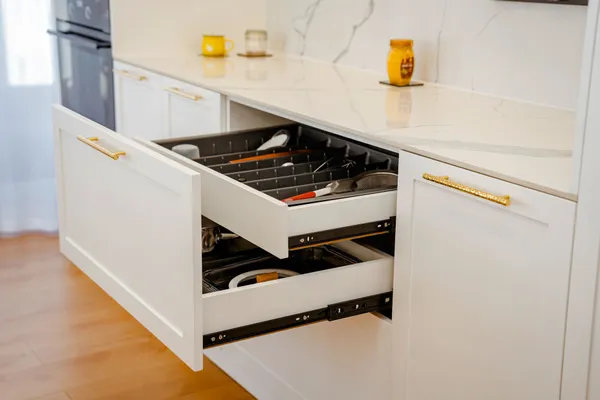
A junk drawer is where uncategorized things live. The trouble starts when nothing ever leaves. Give it a job description, a grid and a monthly sweep.
Two hours into decluttering, the room looks worse and quitting looks sensible. The psychology of that slump, and three rules that get you past it.