Home & Routines
The Same Six Dinners on Repeat: Why a Boring Rotation Works
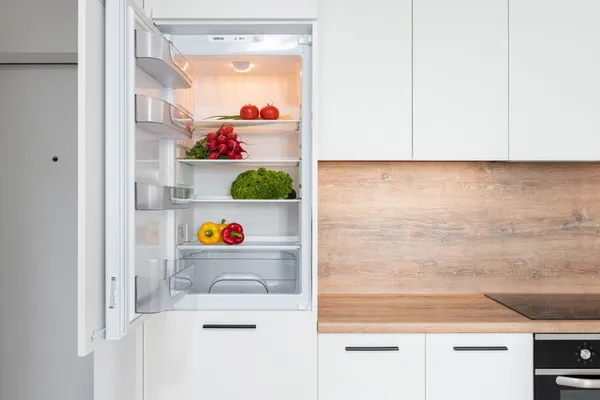
What breaks most meal plans is the nightly decision, not the cooking. Why a six-dinner weeknight rotation ends the 6:40 fridge panic and how to pick yours.
Researcher, Good-Enougher, Reopener or Delegator? Nine everyday choices, from chargers to paint, show how you decide and what it costs you afterward.
Answer for the small stuff on an ordinary Tuesday, not for buying a house.
Your individual answers stay in your browser; with your consent, the site only counts which result comes up.
This is our own quiz, not a validated test, and it does not use the questions of any published scale. It rests on one research idea: some people go looking for the best option, others for one that is good enough. The Researcher and the Good-Enougher are those two ends. The Reopener (decides, then keeps checking) and the Delegator (hands the choice to someone else) are styles we added, drawing on related findings. Most people use all four, depending on whether they are choosing a couch or a sandwich.
The maximizer and satisficer split comes from a 2002 paper by Barry Schwartz and colleagues. Across seven groups totaling 1,747 people, from college students to health care workers at a one-day seminar, people approached at a train station and a jury pool, those who scored higher on wanting the best reported, on average, less happiness, optimism and life satisfaction, and more regret. In a second study with 401 of those students, maximizers compared themselves with others more and were less happy with things they had recently bought. These are questionnaire correlations, so they cannot show that maximizing causes unhappiness. The authors suggest maximizers may get better results on paper and simply feel worse about them, and they point out that nobody maximizes everything: they doubt anyone hunts for the prettiest postage stamp to put on a tax return.
The Reopener leans on two findings. The same paper measured regret separately, including the urge to learn how the options you passed up turned out, and it rose alongside maximizing. And in a set of studies on changeable decisions, photography students who were allowed to swap their chosen print later liked it less than students whose choice was final, yet most participants still wanted the option to swap. The Delegator is our extrapolation from a meta-analysis of 99 choice experiments with 7,202 participants, which found that big assortments backfire mainly when options are complex, when the decision is hard, when people are unsure what they want, and when they want to spend as little effort as possible. Handing the decision to someone you trust is one way around all four, but that part is our reading, not a finding.
Your result is the style your answers picked most often; a tie goes to the type listed first. It says nothing about whether your decisions are good. The research measured a tendency that runs from one end to the other, not four boxes, and the same person can be a Researcher about laptops and a Good-Enougher about socks. Your individual answers stay in your browser; with your consent, the site only counts which result comes up.
What breaks most meal plans is the nightly decision, not the cooking. Why a six-dinner weeknight rotation ends the 6:40 fridge panic and how to pick yours.
Too many tabs open and no focus left? Research on tab hoarding and unfinished goals suggests each tab is a postponed decision. One rule clears them.
A full fridge and nothing to eat is a decision problem, not a food problem. Here is a smaller rule than weekly meal planning that survives a real Thursday.